
-
Fractional-Order Models in Control — What They Tell Us About Real Processes
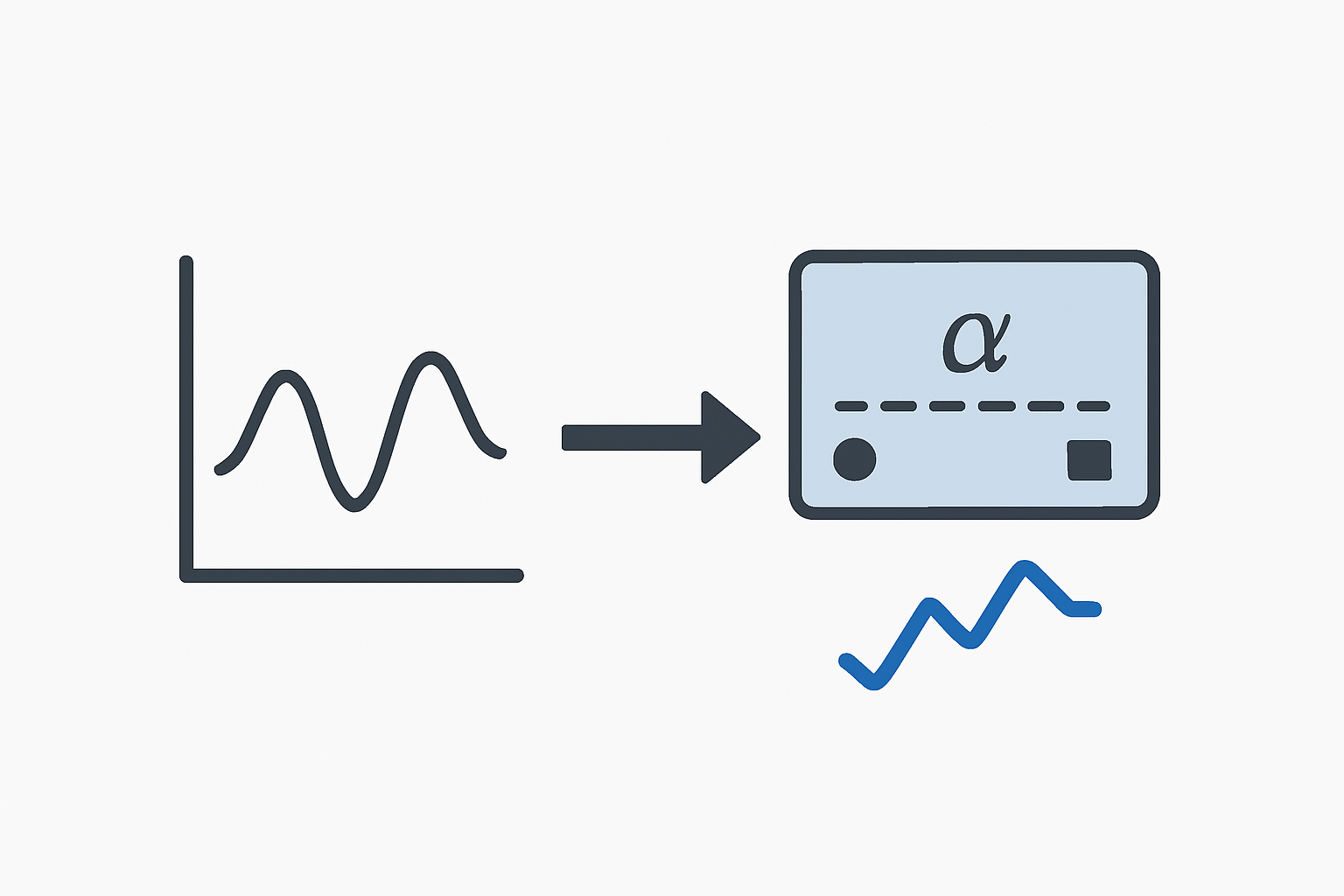
Introduction — what is a fractional-order model? A fractional-order model uses derivatives and/or integrals of non-integer order (for example D0.7x(t)D^{0.7}x(t)D0.7x(t)) to describe system dynamics. Mathematically these operators introduce memory: the system’s present depends on a weighted history of past states, not only on finitely many derivatives. This extra modelling flexibility often matches the physics of…
-
Reconstructing Unknown Inputs: Observers for Noisy Nonlinear Systems
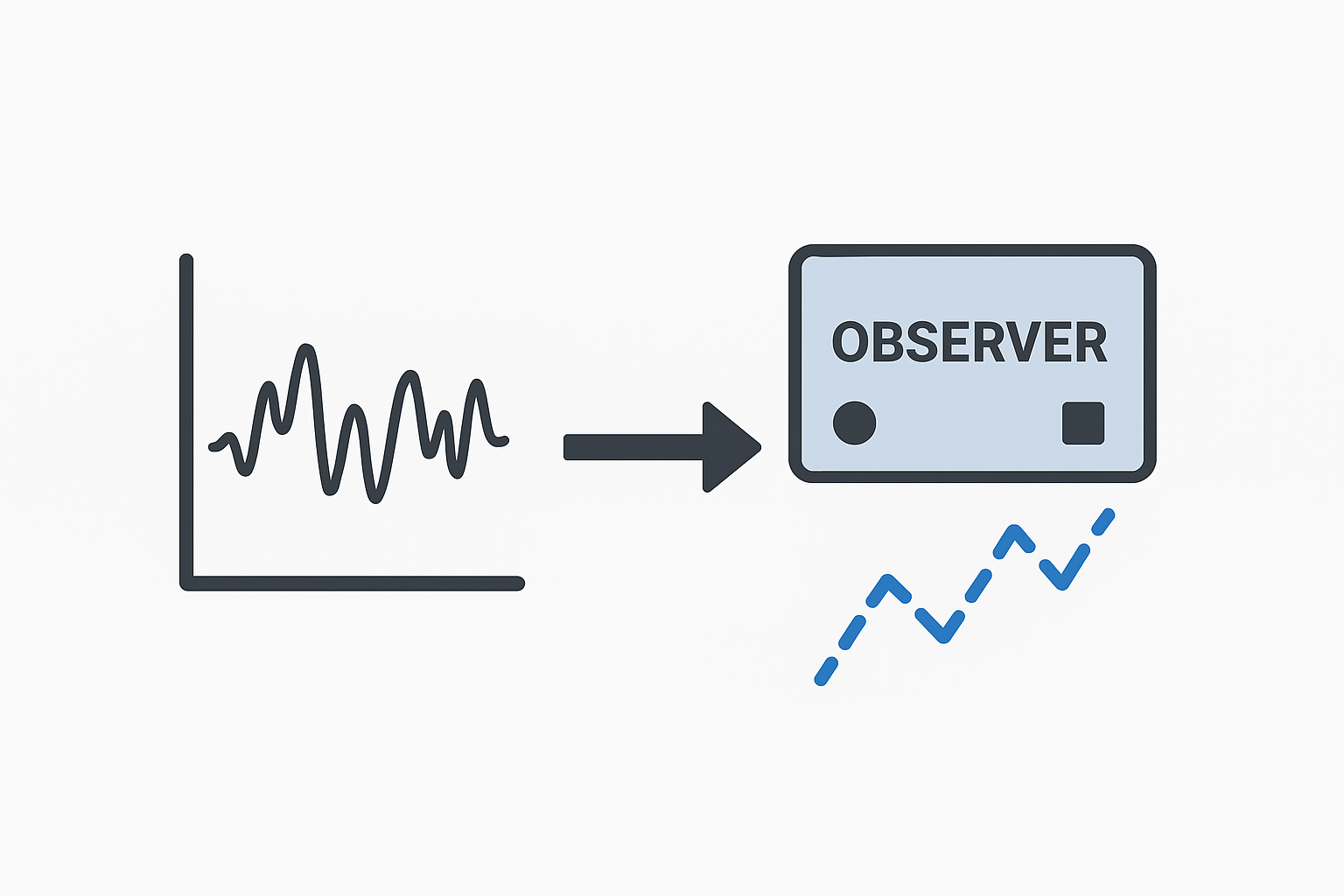
Introduction — why unknown-input reconstruction matters Many real systems are exposed to inputs we cannot measure directly: unknown disturbances, actuator faults, environmental forcing or even unlogged operator actions. If those unknowns are ignored, state estimates drift and controllers can make poor decisions. Observers that reconstruct unknown inputs alongside states improve control, enable fault detection and…
-
How Sliding-Mode Control Survives Model Error (and How ‘Dynamic’ SMC Helps)
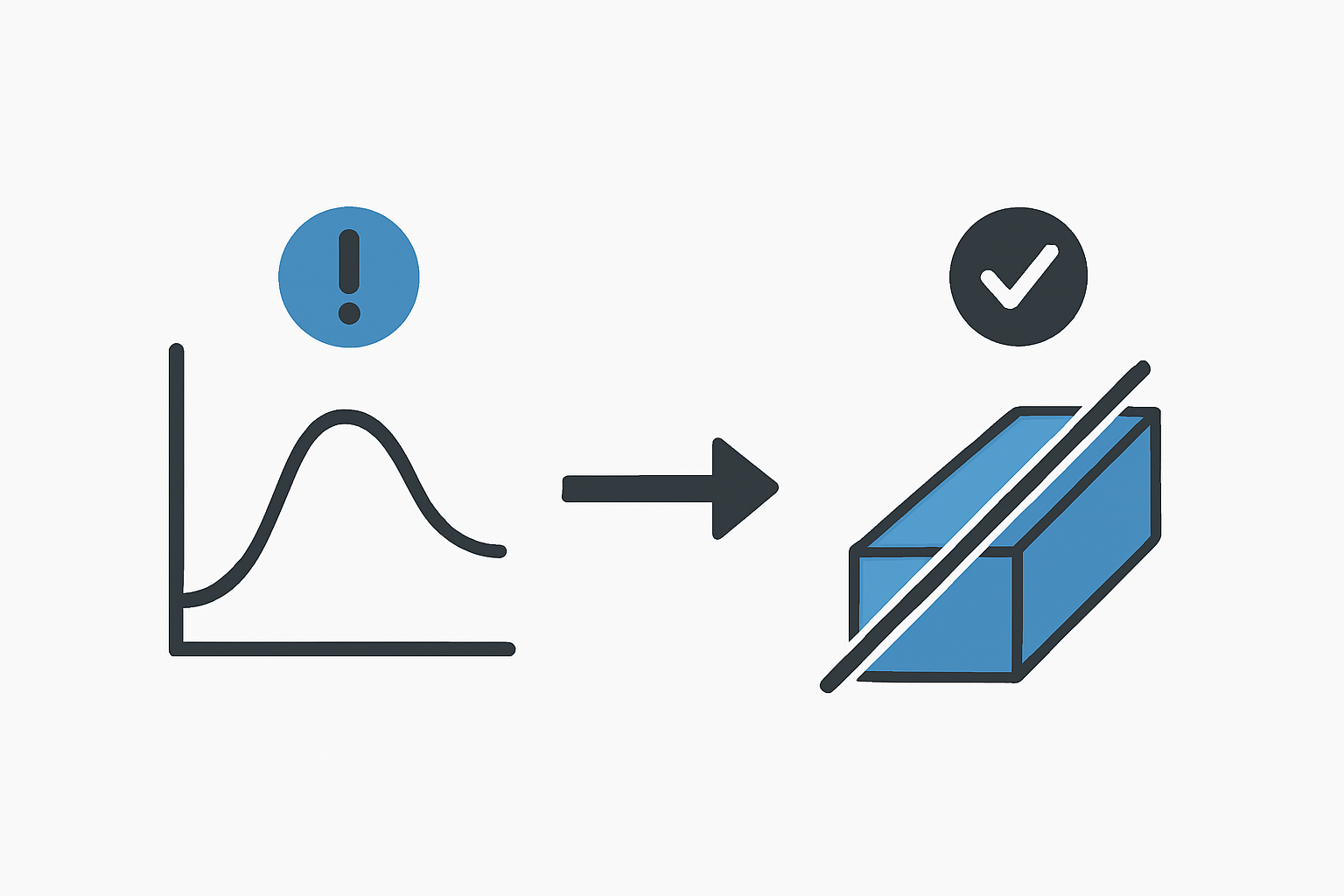
Introduction — robustness in the face of uncertainty Sliding-mode control is a nonlinear control methodology that forces the system trajectories onto a designed sliding surface and keeps them there despite matched uncertainties and disturbances. Because the control action depends on the sign (or direction) of a sliding variable rather than precise model parameters, SMC can…
-
From Theory to Industry: How Adaptive Control Enters Real Products
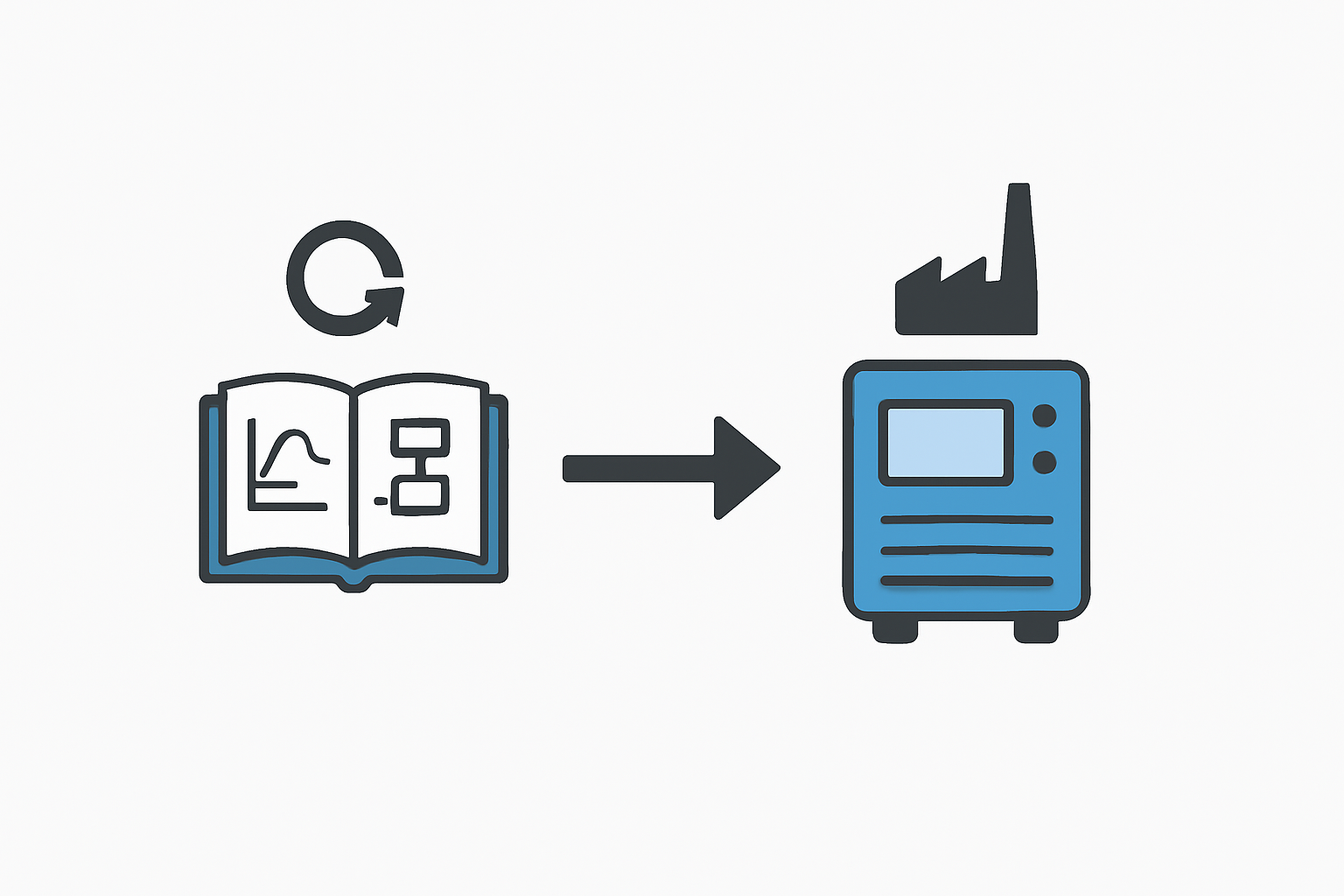
Introduction — why adaptive control matters now Traditional fixed controllers are designed for a nominal model; when the plant changes (ageing, different loads, nonlinearities) performance drops. Adaptive and self-tuning controllers update themselves online to maintain performance without constant human retuning — a capability that reduces downtime and improves product robustness in variable operating conditions. Researchers…
-
Dual EKF for Vehicle Estimation — Why Two Filters Beat One
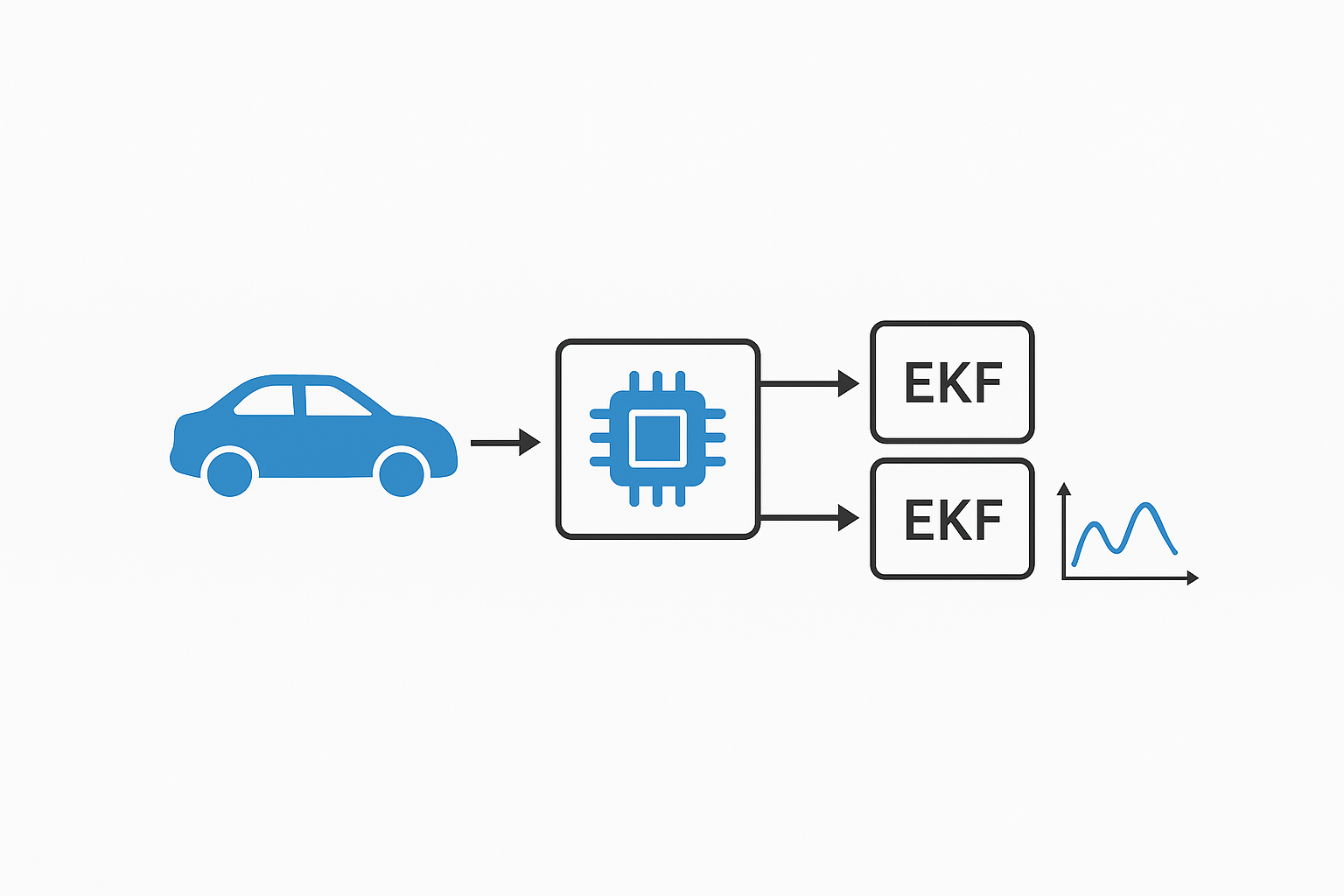
Introduction Vehicle controllers (for stability control, advanced driver assistance and autonomy) need reliable, real-time knowledge of both the vehicle’s dynamic state (velocities, yaw rate, sideslip) and parameters that change with conditions (tyre/road friction, cornering stiffness). A single, augmented Extended Kalman Filter (EKF) can estimate both at once, but splitting the problems into two interacting EKFs…
-
Self-Tuning Control — The What, Why and One Simple Example
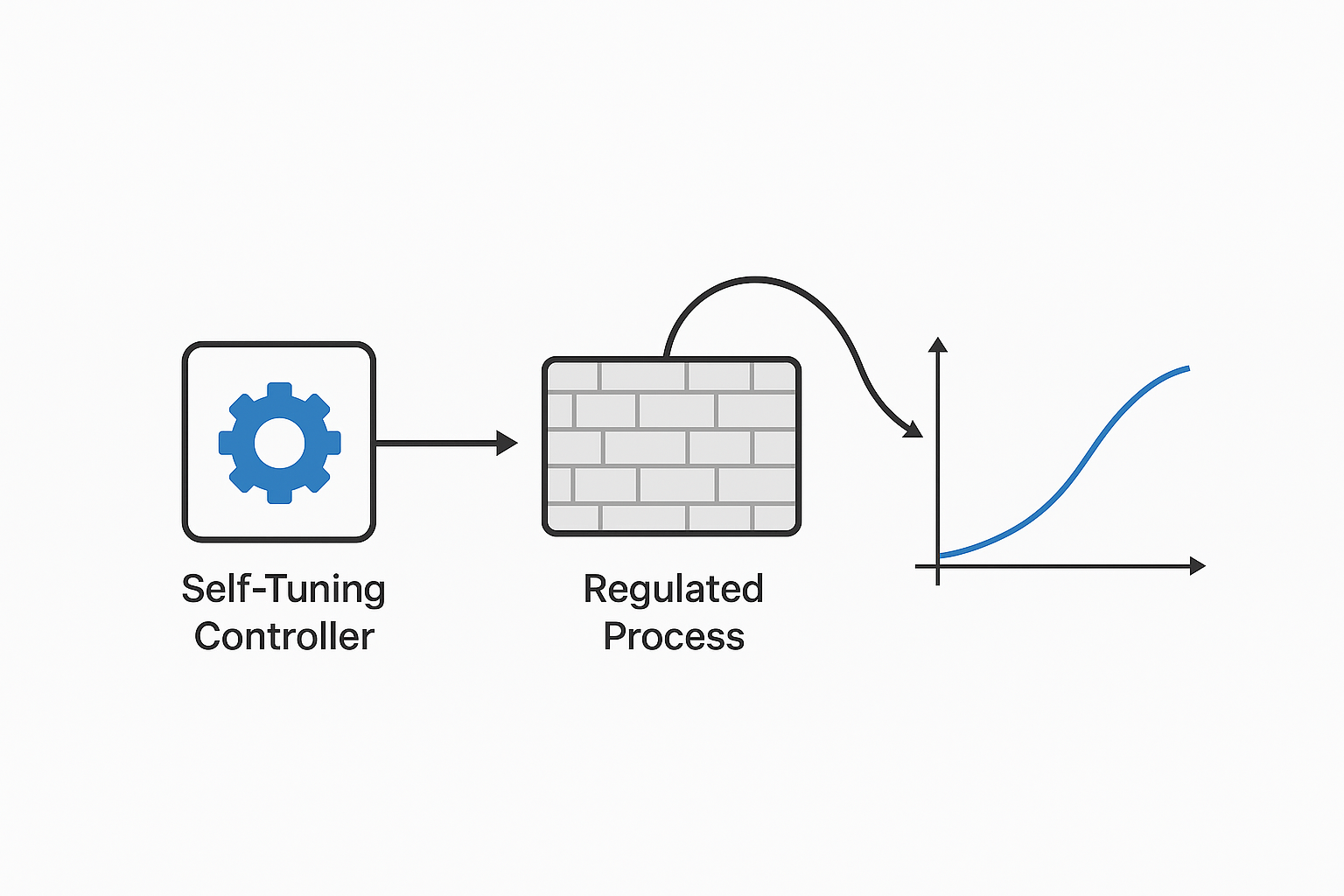
Introduction — what is self-tuning control? Self-tuning control (also called adaptive control or self-adjusting control) is a class of techniques in which the controller updates its own parameters online. Instead of designing a fixed PID or state-feedback for one “nominal” operating point, a self-tuning controller estimates relevant plant parameters (or the plant model itself) and…
-
Bilinear Systems — The Missing Middle Between Linear and Nonlinear
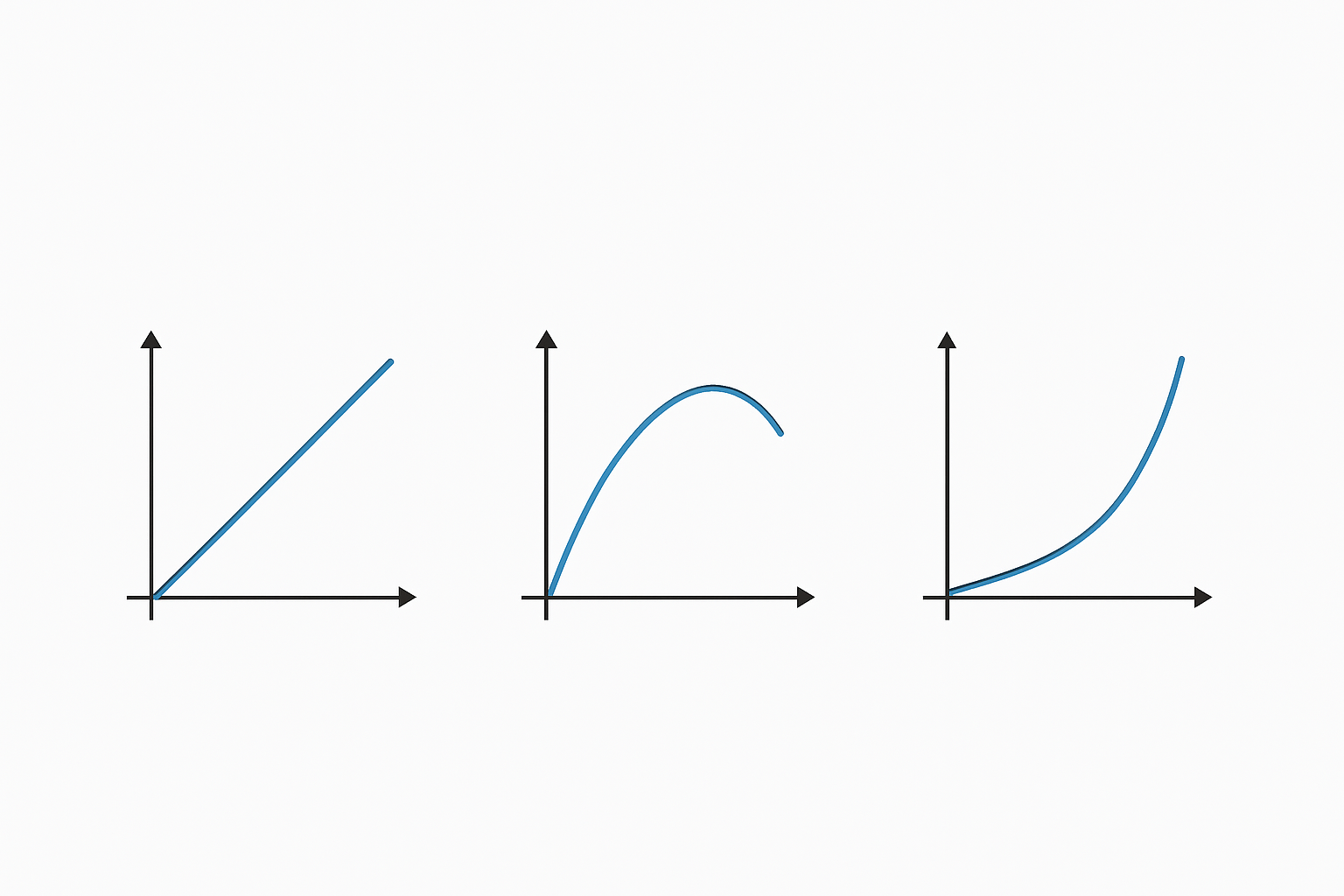
Introduction — what are bilinear systems? A bilinear system is a special class of nonlinear system where the state equations are linear in the state for fixed inputs and linear in the input for fixed states; the nonlinearity arises from products of states and inputs. This structure makes bilinear models more expressive than linear models…